

You Asked...
Your renovation budget (and a few other) questions, answered.

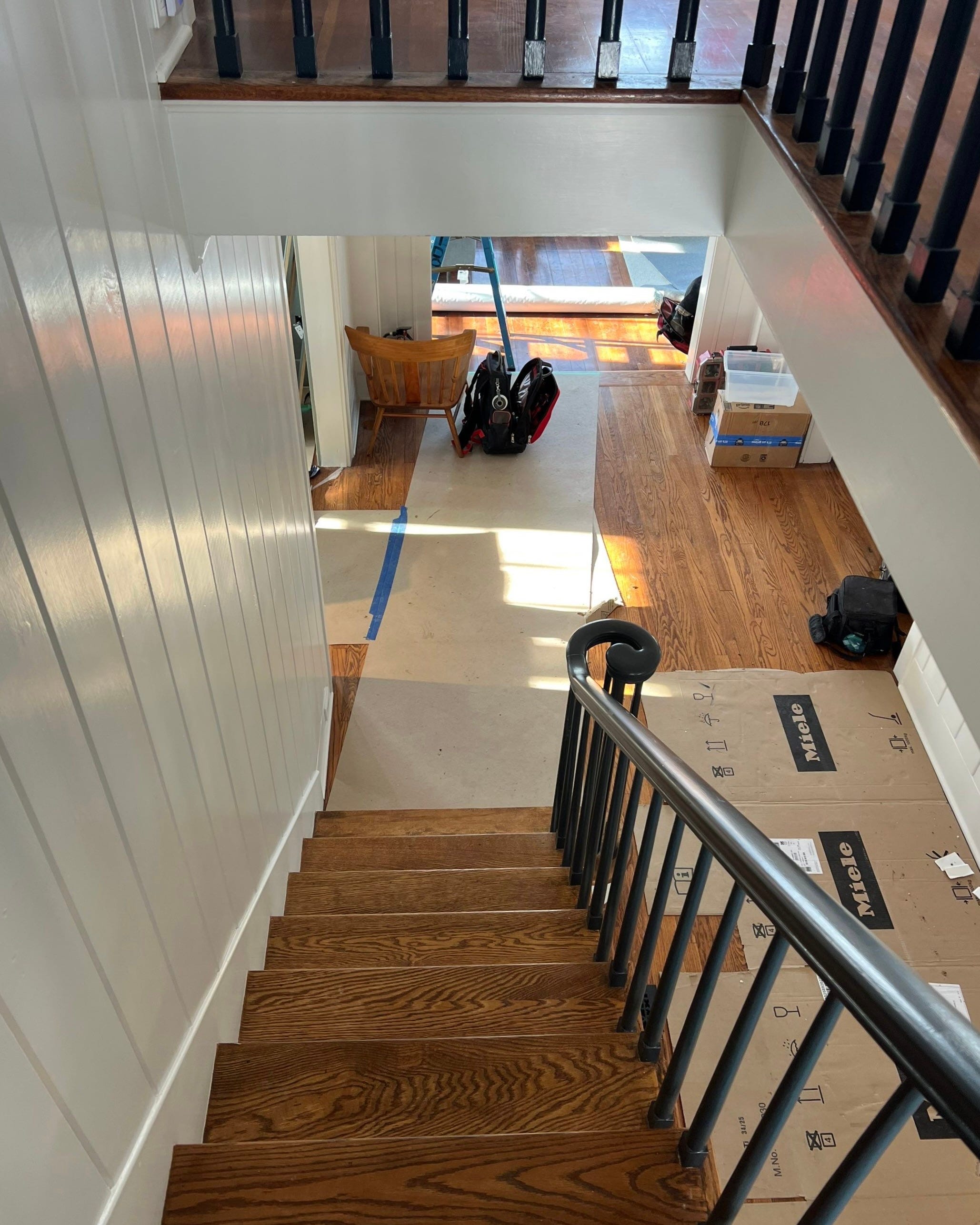
What’s an unexpected cost to look out for before starting a renovation?
The biggest surprise is almost always labor. People budget around visible materials—tile, stone, fixtures—but the cost of installing them is often higher than expected. Demolition, site prep, electrical and plumbing updates, and detailed carpentry all add up quickly. It’s the unglamorous, behind-the-walls work that tends to drive budget overruns, but you really want to allocate finances for someone to do it right the first time.
What are some high-impact design upgrades that aren’t actually very expensive?
Small specification changes make a disproportionate difference. Choosing a grout color that blends with the tile instead of contrasting it will immediately make a surface feel more uniform and refined. Upgrading door hardware changes how every door in the house reads and functions. Adjusting tile scale—larger or more intentional formats—can make a room feel bespoke, too. Another one I use often is treating doors as part of the wall by painting or wallpapering them to match so they recede visually.
I am in the process of my third renovation. It’s small but I keep getting blindsided by massive labor costs. How do you find/vet contractors?
Start with referrals from people who have completed projects similar in scale and quality to yours—designers, architects, or past clients. Then verify with recent work. Don’t rely on older portfolio projects; ask to see or visit something completed in the last year.
Always speak to past clients and ask specific questions: Did the final cost align with the estimate? How were change orders handled? Was the timeline realistic?
When reviewing bids, look at structure, not just totals. If one estimate has low allowances or vague line items, it will likely increase later. A detailed, transparent bid is usually more reliable than the lowest number.
What are your highest priorities when budgeting for a renovation?
Invest in getting the layout right. If circulation is awkward or rooms don’t function properly, no finish will fix that. I focus on how people move through the space, where storage is needed, and how natural light is used. Once those fundamentals are resolved, then materials and finishes can actually do their job. Good design starts with function; aesthetics should reinforce it, not compensate for it (remember: Sidenote subscribers receive a renovation tracking template to help keep them organized).
Are there small, inexpensive architectural changes that can make a big difference in a bedroom?
Focus on function and lighting. Built-in storage reduces clutter and eliminates the need for excess furniture. If possible, adjust door swings or slightly widen openings to improve flow. Hardwired sconces free up nightstands and improve usability. Lighting is a huge upgrade: add dimmers, include multiple sources, and avoid relying on a single overhead fixture. These are modest interventions that make the room feel more intentional and comfortable.
We’re about to renovate our kitchen and have been thinking about countertops—we’re big cooks and host a ton, so we need them to be durable and hardy. What material do you think best marries durability and visual appeal? Which is the best budget vs. splurge pick?
I really prefer a natural stone whenever humanly possible. Quartzite is one of the best-performing natural stones—it’s harder than marble and holds up well to heavy use while still offering variation and depth. Marble is still the most visually compelling, but it will etch and wear. If you choose it, it’s a decision to accept patina, not avoid it.
For a more budget-conscious option, honed granite is extremely durable and often overlooked. It can read much softer and more current than polished versions. Soapstone is also a classic option. Again, I always encourage people to lean into normal signs of life in their stone. Don’t be too precious.
What are your thoughts about having uniform countertops on the perimeter and kitchen island vs. having different colors for the island and perimeter counters?
Use one material throughout if the kitchen is smaller or you want a quieter, more cohesive look. In larger kitchens, changing the island material helps define it as a focal point and breaks up the scale. The key is coordination. Materials should relate in tone or movement so the contrast feels intentional, not disconnected.
At what point in the process of a renovation do you determine the overall color scheme of a home? Can you figure out paint colors/fixtures before deciding on the furniture, or do they all get decided together? I don’t want to waste money by going out of order and having to change things.
Early, but not definitively. The palette usually starts with a key material—stone, tile, or a textile—but it evolves as selections come together. Final paint colors are one of the last decisions. They need to respond to everything else in the space.
How do you typically scope projects with clients? Do you usually take on full projects from concept through sourcing and execution, or do you ever do more limited engagements like concept-only work or helping with a specific problem area?
Full-service projects involve managing everything from layout and design through procurement and installation. That’s the most effective approach for larger renovations where coordination is critical.
For smaller projects, we offer a more defined design scope called Demi that includes plans, selections, and sourcing, while the client or contractor manages most of the execution. For concept-only help, you can book a session with me on The Expert.
Would love any best practices for identifying the “anchor” aesthetic for a home and then extending it across both indoor spaces and outdoor areas (like porches, patios, and gardens) so the whole property feels cohesive.
Define one clear idea at the start—either architectural or atmospheric—and use it consistently. Then repeat materials and colors across spaces in controlled ways. For example, a stone used on a fireplace might reappear in a patio or garden wall. Interior palettes can extend outward through upholstery or finishes.
What eats into renovation budgets unexpectedly?
Labor and scope creep. Once construction starts, small changes (moving a light, adjusting millwork, upgrading a detail) add up quickly. Combined with labor costs, those incremental decisions are what push budgets beyond initial estimates. Always leave a cushion for these things.
Knowing that renovations can take a long time and you may spend an extended period in a rental, do you think it is worth investing in any rental-friendly updates in the interim? And if so what would you/would you not invest in?
Yes, but keep it temporary. Focus on lighting, rugs, art, and furniture that you can take with you. Avoid permanent changes or built-ins. The goal is to improve the space without investing in something you’ll leave behind. I’m doing this right now and plan to use my rental’s living room and primary bedroom furnishings in the garden level of my new home.
How do you present a budget proposal? A line by line itemized document which is within the customer’s budget, or a range for each line item that will be lower and higher than the overall budget?
We start with a budget range rather than a fully itemized number. Early in the process, there are simply too many unknowns to be precise. Based on the initial scope, we provide a realistic range aligned with projects of similar scale and complexity. As the design is developed, drawings are completed, and contractor pricing comes in, that range sharpens into a more defined budget and final fee structure.
As a novice, what is step one when building the team for a home renovation? What are good questions to ask as a client? There are so many options I’m feeling overwhelmed already.
Start with a designer or architect, depending on whether the project is primarily structural or aesthetic. They can help assemble the rest of the team. When interviewing, focus on communication and process. Ask how they handle changes, delays, and budgeting. Technical skill matters, but consistency and transparency matter just as much.
Do you have any design ideas for incorporating Indian design into a modern American home? Whether it be textiles or wallpapers or tiles I’d love some links to products that speak to you. I’d also love your insights on how much to incorporate, looking for subtle nods rather than maximalism.
Indian design has such an incredible tradition of craftsmanship, color, and pattern, and it can integrate beautifully into a modern home when used tactfully. Textiles are the easiest entry point—block prints, woven rugs, or embroidery add pattern and depth without overwhelming the space. You can also introduce a single focal element, like a carved wood piece or a patterned wallpaper in a smaller room. I love this textile, this chair, and this accent cabinet.
How can I update a wooden mantel without spending a lot?
Keep the mantel if the proportions are good and update the surrounding elements. Replacing the hearth or firebox material—tile or stone—has a significant visual impact. Painting it a deeper shade can also shift its presence. Then focus on styling: scale, artwork, and objects will determine whether it reads as a focal point or background element.

I hope you’ll join me for the next Ask Me Anything! To get your question answered, simply subscribe and join the chat during the scheduled window. I won’t even get mad if you go off-theme! For our next topic, I’ll be answering your specific design quandaries from 6 PM - 9 PM EST on April 29. Stuck on something in your home? Ask and I’ll get to as many as I can!
Loved this Q+A! Thanks for sharing.
🩵